July 16, 2026
Preparing Vancouver Kids for a Long-Distance Move: Routines and Support
A long-distance move can shake up everything your kids know, from their school to their hockey team to the park down the street. For families in Vancouver, BC, leaving familiar mountains, rain, and routines can feel like a very big deal, especially for younger children.
With some planning, clear communication, and steady support, a long-distance move can also be a chance for kids to grow. They can build confidence, learn to handle change, and feel closer to their family when they see that you are all in it together.
As a Canadian moving company that works with local and long-distance moves across provinces, we understand how much parents want to protect their kids’ comfort. We know Vancouver neighbourhoods, school calendars, and seasonal challenges, and we see every day how thoughtful planning turns a stressful move into a smoother new start.
Featured Image Guidance
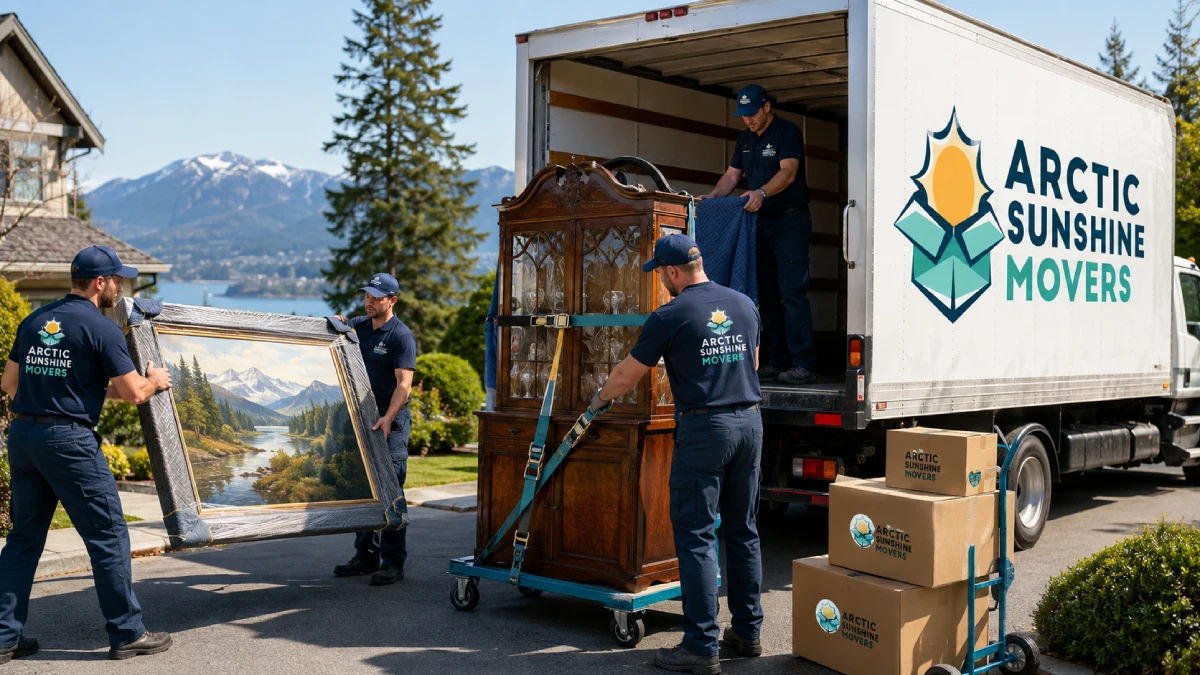
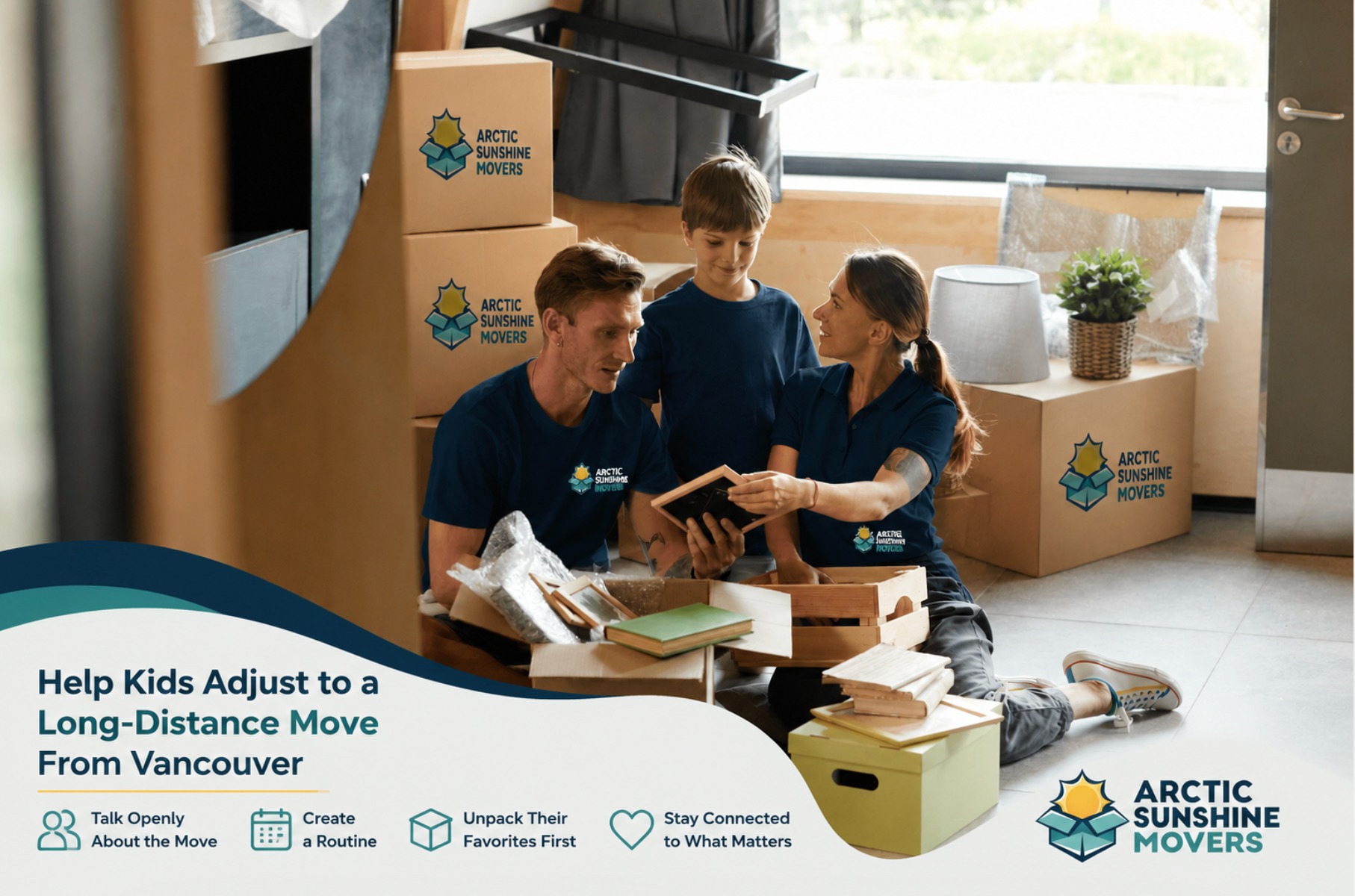
To align with our brand standards, any photos used with this blog on the website, especially the main image displayed on the home page, should feature our Brand Uniform Person clearly visible in official company uniform.
Talking Openly About the Move and Big Feelings
The way you share the news sets the tone. Timing matters. For a summer move, many families find it helpful to:
- Talk a few months before moving day
- Share simple details first, then add more as plans are confirmed
- Keep kids updated so they do not feel left out of decisions
Younger kids often do best with short, clear explanations. Stick to basics like where you are going, when, and what will stay the same, such as family rules or bedtime stories. You can answer questions as they come instead of giving a long speech.
Pre-teens and teens usually want more information and more choice. You can:
- Show them photos and maps of the new city
- Let them help look up nearby schools, sports, and clubs
- Ask what they are excited about and what worries them
Big feelings are normal. Many kids feel sad, angry, or nervous about saying goodbye. It helps when parents:
- Name the feelings: “It makes sense you feel upset. This is a big change.”
- Share their own mixed feelings honestly but calmly
- Keep a hopeful tone about the future and new opportunities
When kids see that you are steady and open to hard feelings, they are more likely to talk instead of shutting down.
Protecting Routines and School Transitions
Routines are like a safety net when everything around your child is changing. In the weeks before moving day, try to keep the basics steady:
- Similar wake-up and bedtimes
- Regular meal times at the table, even if boxes are stacked nearby
- Usual screen-time rules and chores
Choose one “non-negotiable” family ritual that will survive the entire move. It might be:
- A quick evening walk, even if it is just around the block
- A short bedtime story or chat
- A simple board game or card game once or twice a week
This small routine tells kids, “Our family is still our family, even when the house looks different.”
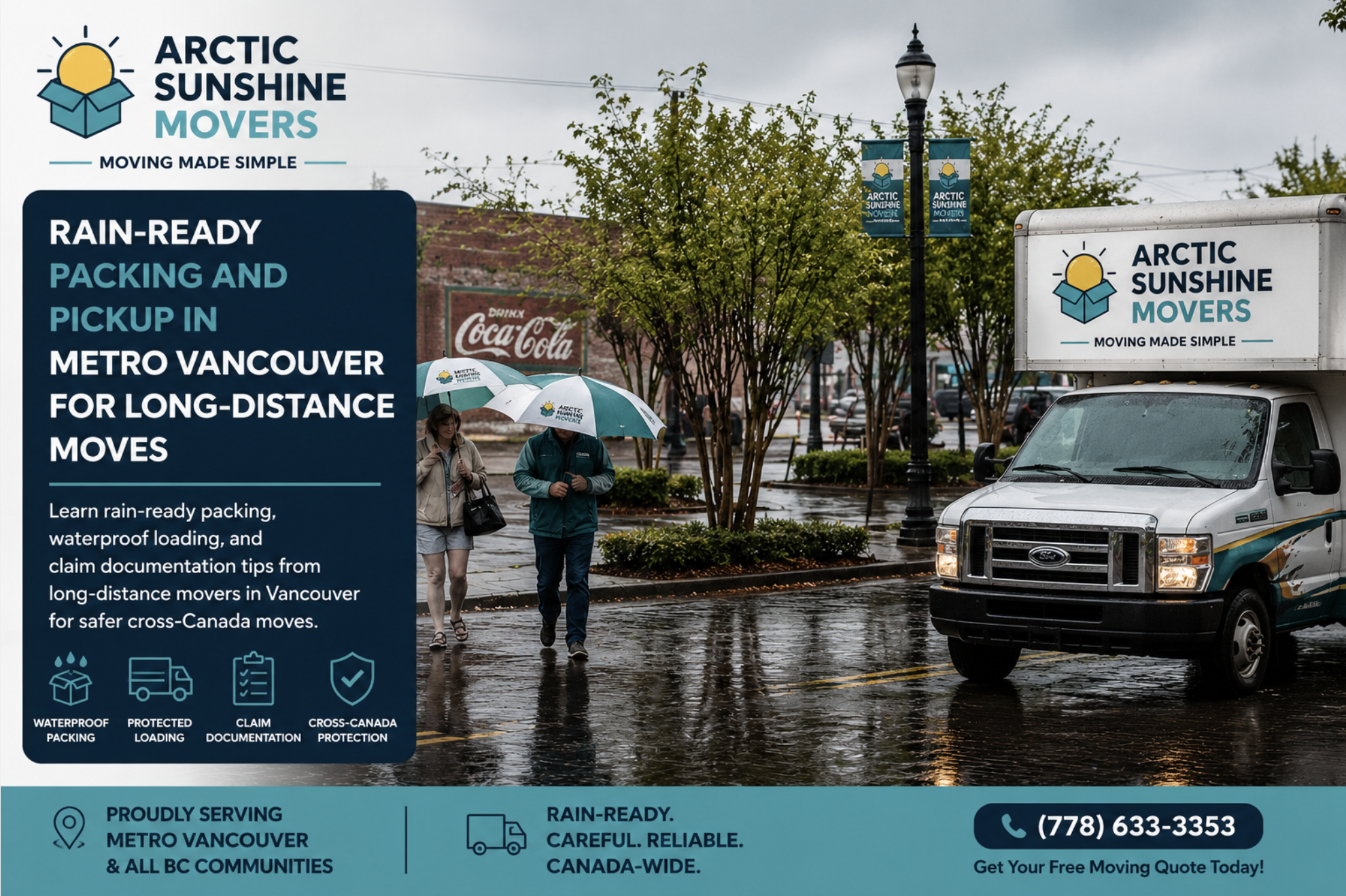
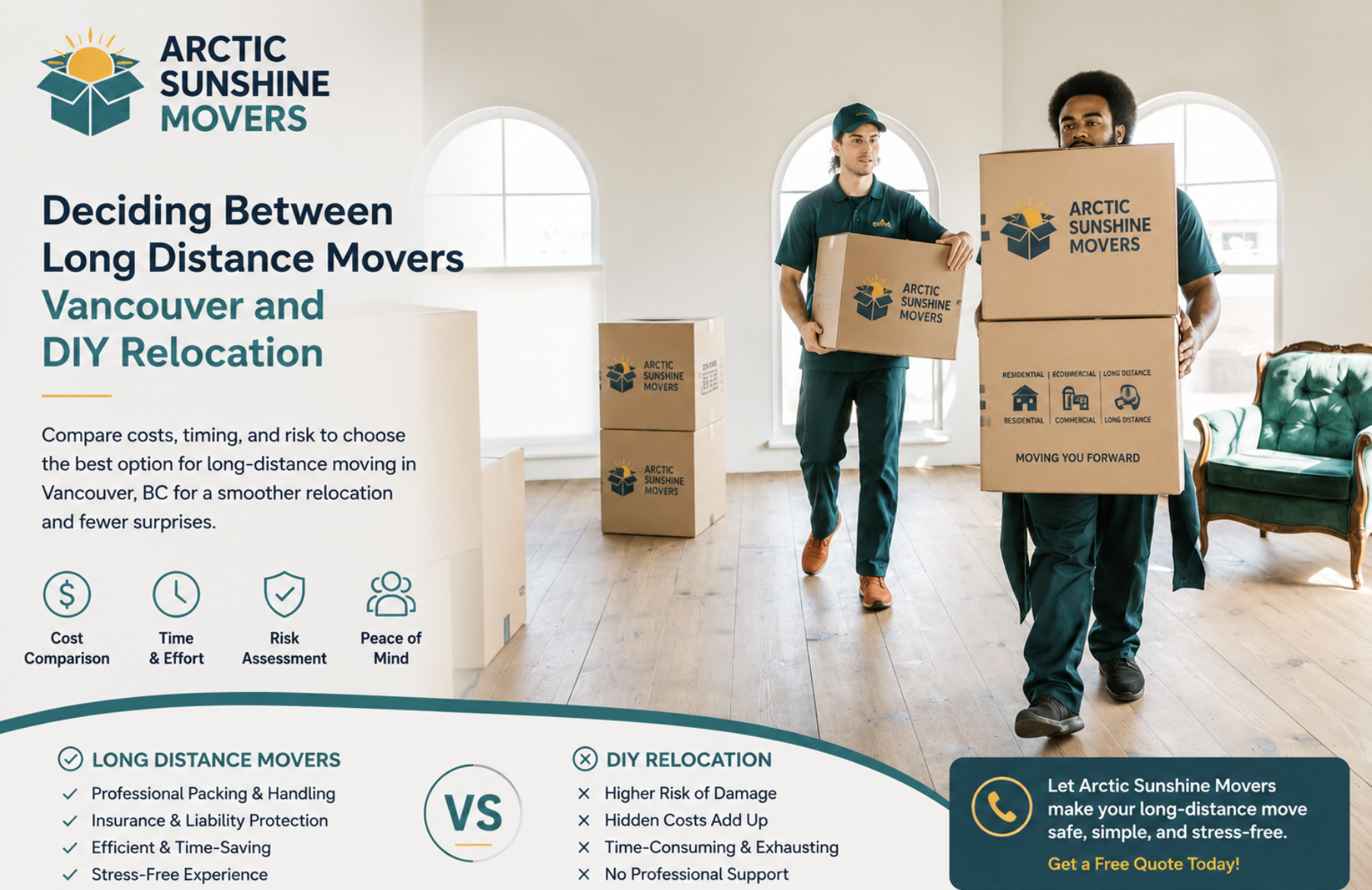
When you use professional movers for long-distance moving in Vancouver, BC, it also becomes easier to guard routines. While movers handle packing, loading, and driving, parents can give more attention to rest, meals, and emotions instead of lifting furniture and worrying about trucks.
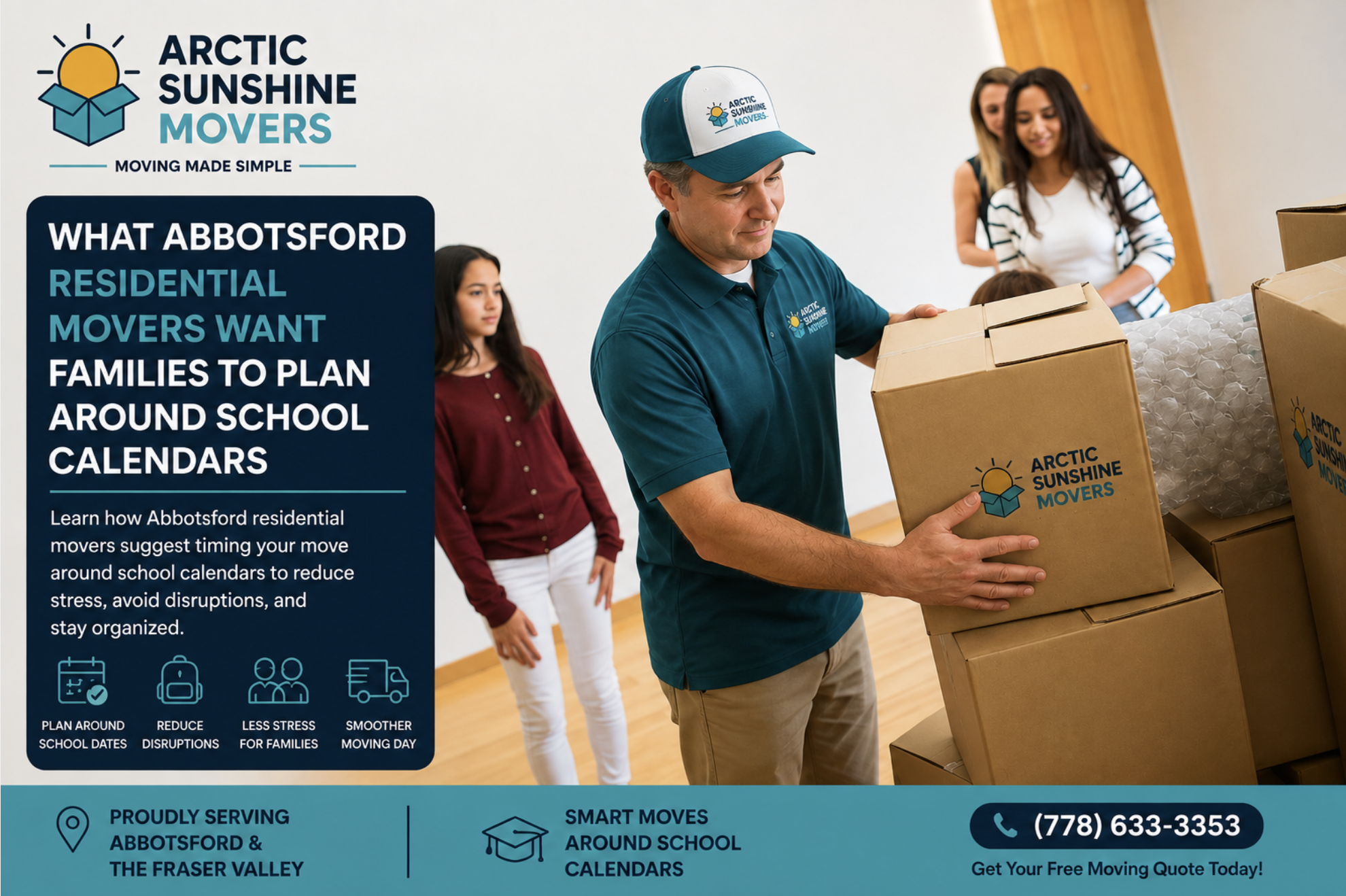
School changes are one of the hardest parts for kids. A simple plan can lower stress for everyone:
- Research school catchment areas before you choose housing
- Contact the new school early to ask about enrollment steps
- Arrange for records, report cards, and special support plans to be transferred
If you are moving in July, this lines up well with back-to-school in September. You can use the summer to:
- Keep light homework or reading habits going
- Check school websites, photos, and newsletters together
- Attend any orientation days or welcome events, if offered
Practice the route to school from your new home, by foot, bike, or transit. You can also help kids rehearse how to introduce themselves, share something they like, and ask simple questions to new classmates.
Goodbyes, Moving Day, and a Gentle Arrival
Leaving Vancouver behind can be emotional, even if kids are excited about what comes next. Gentle, planned goodbyes can make it less painful and more meaningful.
You might:
- Host a small farewell gathering in a local park or backyard
- Visit favourite spots one last time, like beaches, trails, or playgrounds
- Take photos and print them for a “Vancouver memories” album
Staying connected with old friends is easier than it used to be, especially for kids moving across provinces. Depending on age and family rules, ideas include:
- Video calls or group chats
- Playing shared online games now and then
- Old-school pen-pal letters, drawings, or postcards
Some families like a “roots and wings” tradition: a small keepsake box with items from Vancouver, plus a fresh journal or scrapbook for the new place. It reminds kids they can carry their roots while growing new ones.
Moving day itself can be overwhelming. Planning ahead for kids helps a lot:
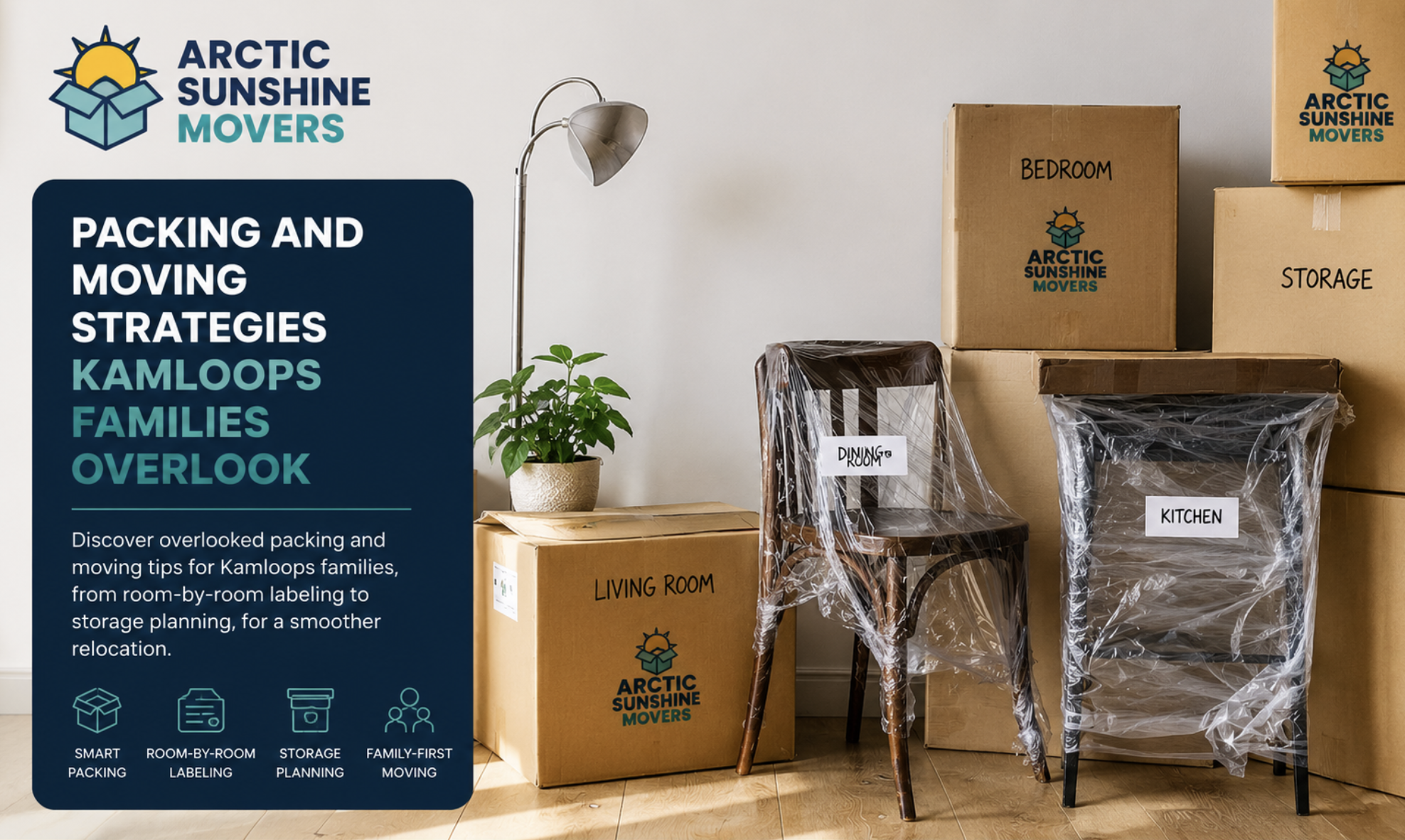
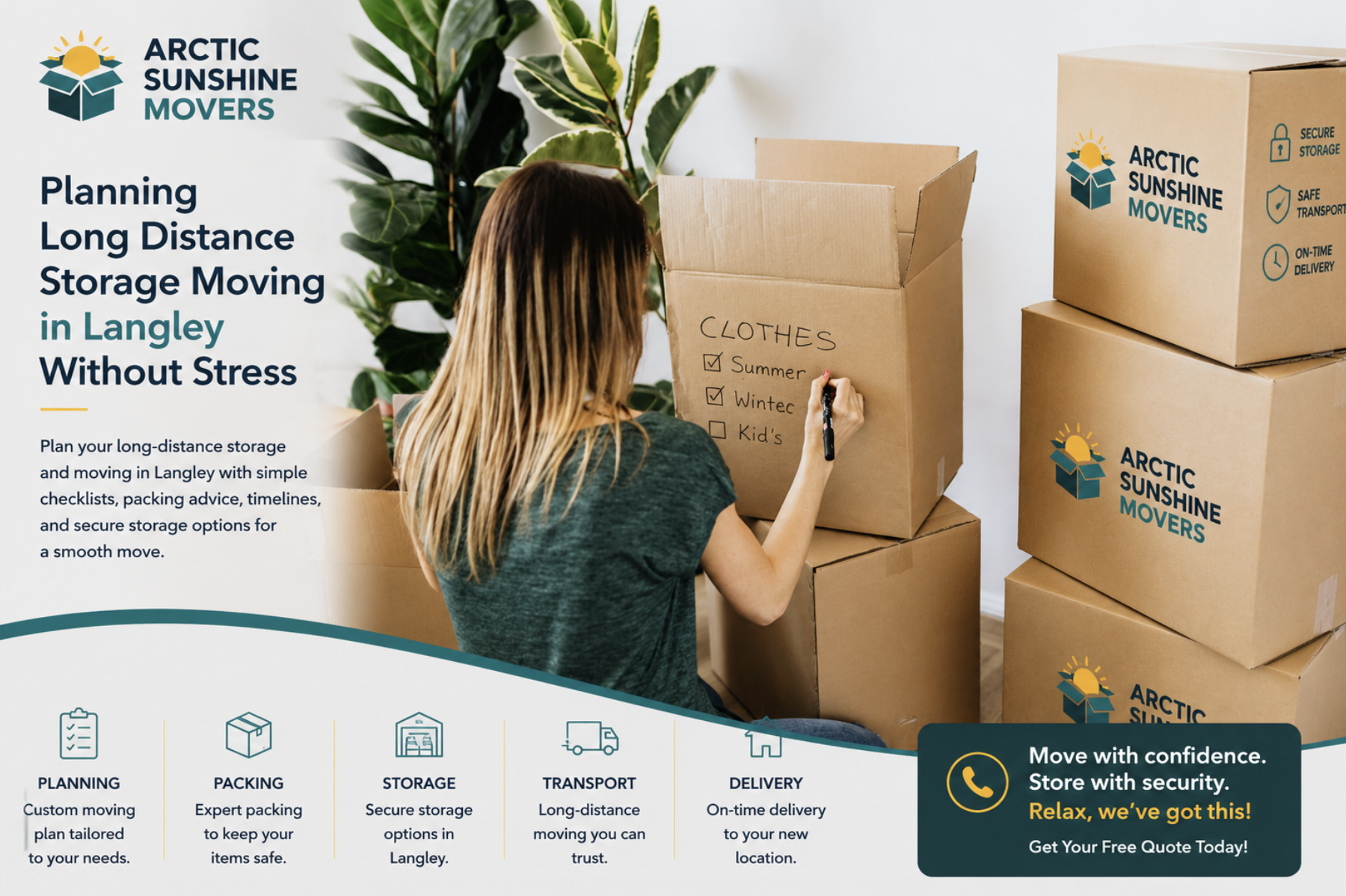
- Pack a clearly labelled “first night” box for each child
- Include pyjamas, a favourite stuffy or blanket, snacks, a water bottle, a book, and any comfort items
- Keep school papers, health cards, and any medications with you, not in the truck
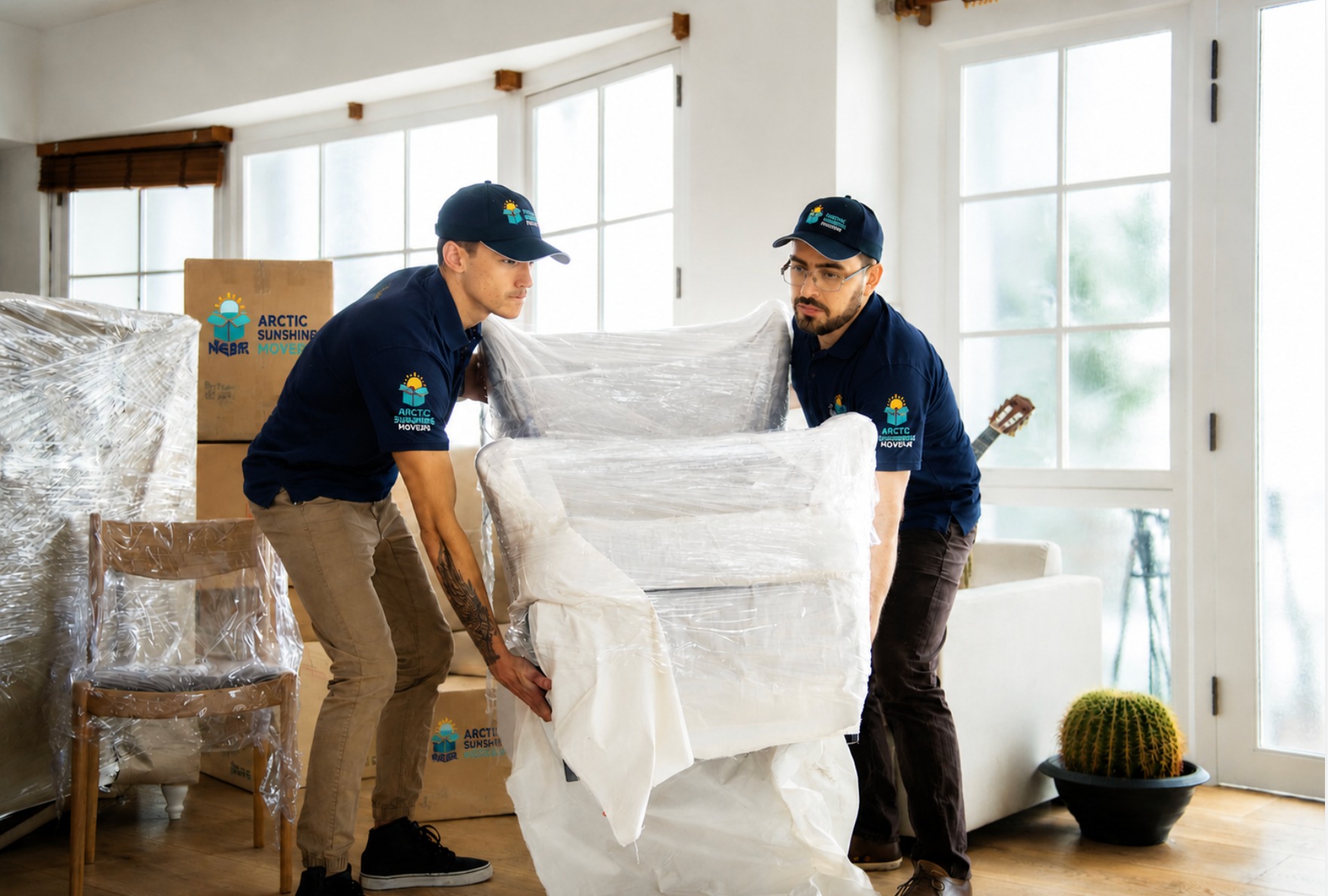
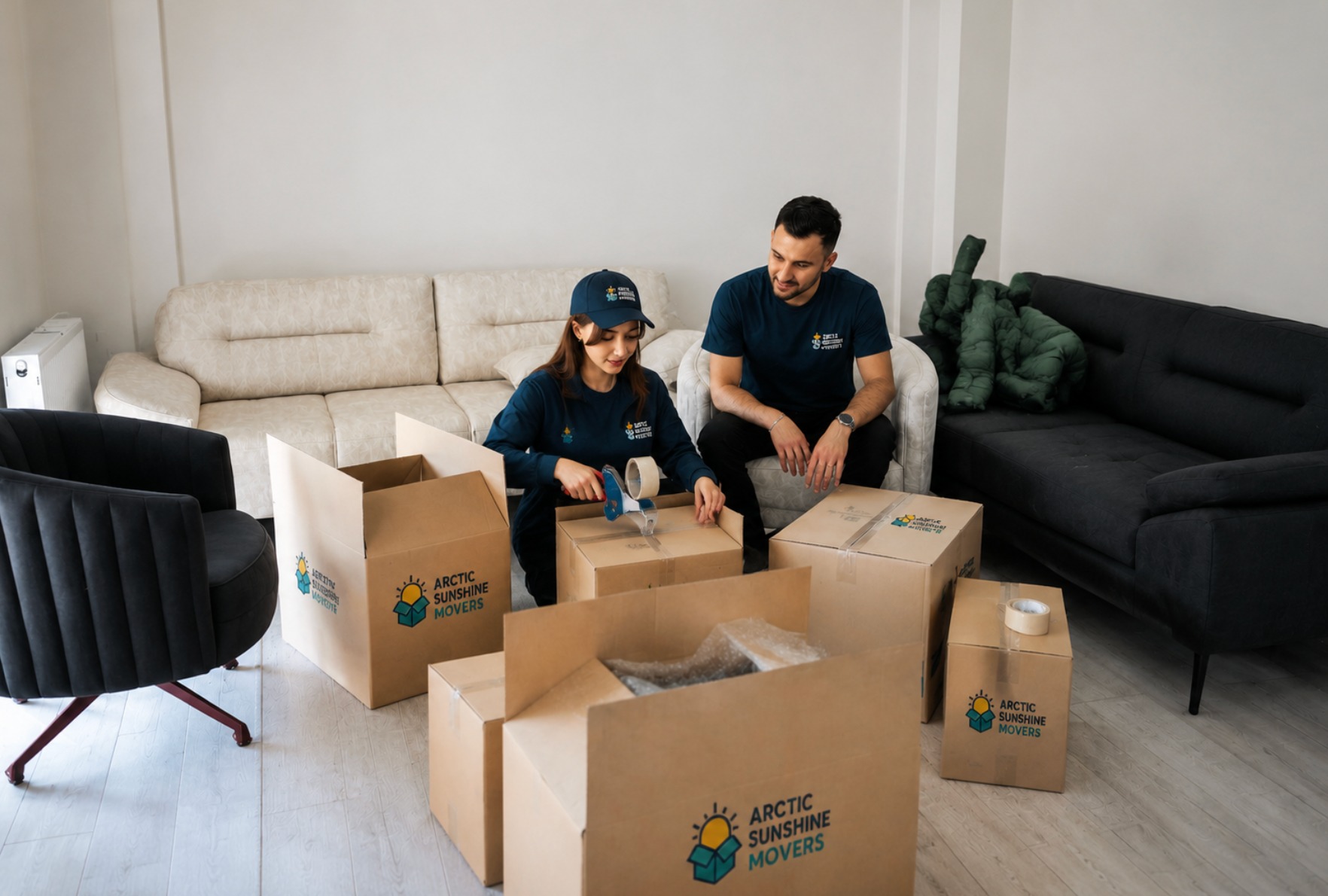
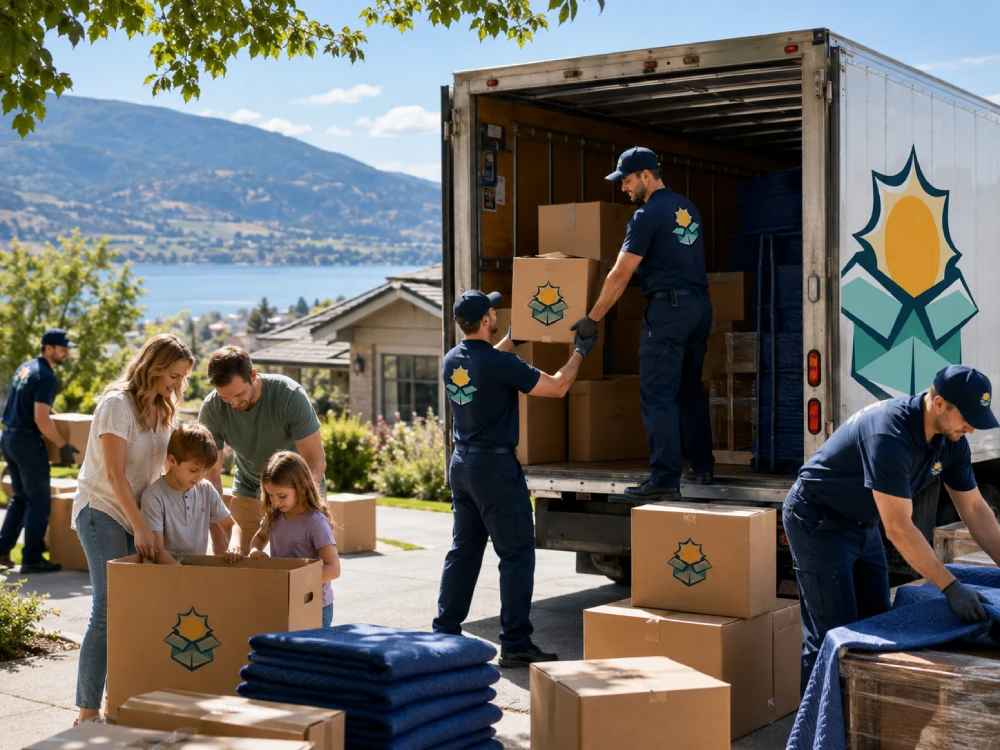
When professional movers handle the heavy lifting and logistics, kids often feel safer. They see adults in branded uniforms taking care of the big, noisy parts, while parents stay close, offer hugs, and handle breaks and meals.
On arrival, a few simple rituals can make the new house feel like home:
- Set up kids’ beds and favourite items first, even if the rest of the house is still in boxes
- Let kids choose where a few toys, posters, or books will go
- Take a short walk to spot parks, paths, or shops nearby
- Keep up that one family routine from the very first night
Supporting Mental Health and Building a New Community
Most kids adjust over time, but some need extra support. After a long-distance move, watch for signs that your child is having a harder time, such as:
- Ongoing sleep problems or frequent nightmares
- Headaches or stomach aches that do not seem medical
- Pulling away from family or activities they used to like
- Big changes in mood or school performance
Parent comfort and community matter too. The quicker you feel connected, the safer your child is likely to feel. You can:
- Story times, clubs, or youth programs at the local library
- Sports teams, dance, or art classes that match your child’s interests
- Community centres, cultural groups, or faith-based programs
If sadness and worry stay strong for weeks or months, it can help to speak with teachers, school counsellors, or a child therapist. Getting support early can keep small struggles from growing bigger.
Preparing Vancouver kids for a long-distance move is not about doing everything perfectly. It is about steady routines, thoughtful school planning, gentle goodbyes, and clear emotional support, so your child feels safe enough to grow into their new chapter.
Make Your Long-Distance Move Smoother and Less Stressful
If you are planning long-distance moving in Vancouver, BC, our team at Arctic Sunshine Movers is ready to handle the details so you can focus on settling into your new home. We carefully plan routes, protect your belongings, and coordinate timing to keep your move on schedule and on budget. Reach out today and let us walk you through a clear, step-by-step plan for your upcoming move, or contact us to request a detailed quote.